Table of Contents
Introduction
For years, my mornings began with the rich, bold flavors of French Press coffee. Then one day, a friend introduced me to the delicate artistry of Pour Over. Intrigued, I embarked on a journey to explore these two brewing methods.
Here, I share my experiences and insights to help you decide which one might become your morning ritual.
French Press vs Pour Over
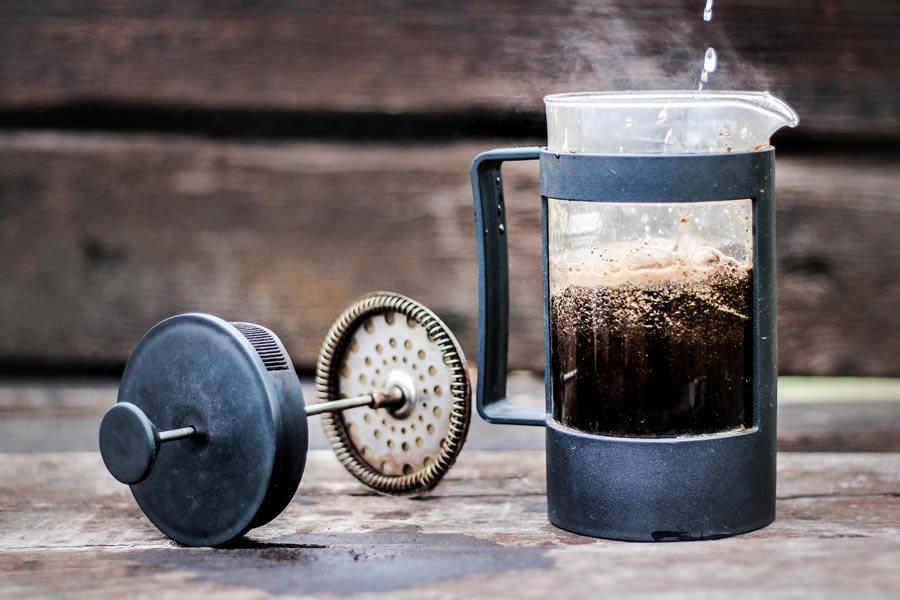
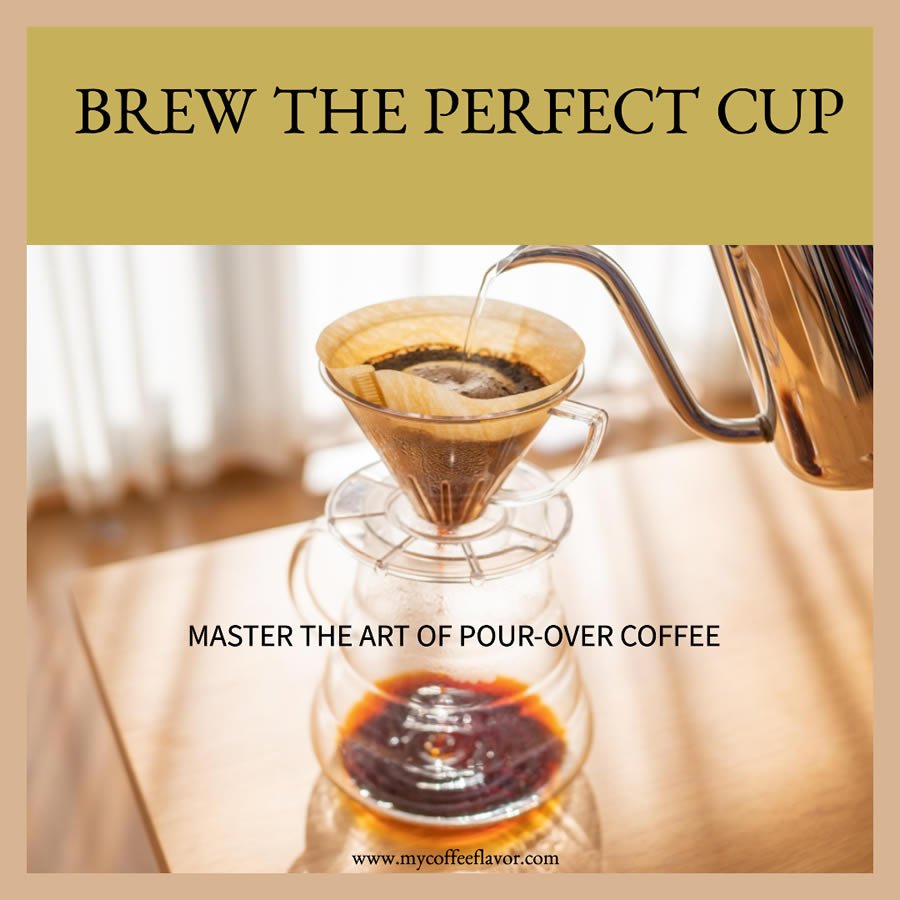
This section delves into a detailed comparison between French Press and Pour Over coffee brewing methods, shedding light on the distinct personalities and preferences of coffee enthusiasts who swear by each.
If you’re interested in exploring the differences between the French press and pourover brewing methods in more detail, check out The Ultimate Guide to Pour Over Vs French Press Coffee: Pros and Cons.
1. The French Press: A Love Affair with Full-Bodied Coffee
My first French Press was a gift. Its simplicity won me over instantly. Just coarse coffee grounds, hot water, and a bit of patience — three minutes later, I had a cup that felt as deep and comforting as a warm blanket on a cold day.
Why You’ll Love It:
- Rich Flavor: The metal mesh filter lets coffee oils and fine particles seep through, giving the brew a bold, full-bodied texture.
- Ease of Use: No fancy techniques required. Simply steep, press, and pour.
- Customizable: Adjust steeping time and coffee-to-water ratio to tweak the flavor to your liking.
Challenges I Encountered:
- Sediment: No matter how careful I was, there was always a bit of grit at the bottom of my cup.
- Clean-Up: Removing the used coffee grounds from the plunger can be a messy task.
Despite these minor inconveniences, the French Press became my go-to for cozy weekend mornings or when I craved a strong coffee to pair with dessert.
2. Discovering the Art of Pour Over
When I tried Pour Over, it felt like stepping into the world of gourmet coffee. Watching the water spiral through the grounds was mesmerizing, and the precision required made the process feel almost meditative.
Why You’ll Love It:
- Clean, Bright Flavors: Paper filters catch oils and fine particles, resulting in a smoother, lighter brew.
- Precision: You control every variable, from water temperature to pour rate, allowing the coffee’s subtle notes to shine.
- Ritualistic Appeal: The process is engaging and calming, perfect for starting your day mindfully.
Challenges I Encountered:
- Learning Curve: Achieving the right pour technique took some practice.
- Time-Consuming: Pour Over takes a few extra minutes, which can be challenging on busy mornings.
Over time, I grew to appreciate the finesse of Pour Over. It’s now my go-to method when I want to savor single-origin beans or impress guests with a nua
Pourover coffee makers
Here are some excellent pour-over coffee makers to consider:
1. Hario V60
- Why It’s Great: Iconic cone-shaped design with spiral ridges for optimal flavor extraction.
- Material Options: Available in ceramic, glass, plastic, or metal.
- Best For: Precision brewing and those who enjoy experimenting with pour techniques.
2. Chemex Classic Series
- Why It’s Great: Sleek, all-in-one design with a wooden collar. Known for its clean, bright coffee taste.
- Material Options: Borosilicate glass.
- Best For: Brewing multiple cups with an elegant presentation.
3. Kalita Wave
- Why It’s Great: Flat-bottom design with three small holes for consistent and forgiving brewing.
- Material Options: Stainless steel, ceramic, or glass.
- Best For: Beginners and those who prefer a balanced cup.
4. Fellow Stagg [X] Dripper
- Why It’s Great: Compact, durable design with unique vacuum-insulated walls to maintain heat.
- Material Options: Stainless steel.
- Best For: Single-serve coffee and modern aesthetics.
5. Melitta Pour-Over Cone
- Why It’s Great: Budget-friendly and easy to use, with a classic design.
- Material Options: Plastic, ceramic, or glass.
- Best For: Beginners and casual coffee drinkers.
6. Origami Dripper
- Why It’s Great: Stylish, colorful ceramic design inspired by Japanese origami.
- Material Options: Ceramic.
- Best For: Coffee enthusiasts looking for visual appeal and a customizable brew.
Which Coffee Method Matches Your Style?
To help you decide, consider your coffee preferences and daily routine:
| Feature | French Press | Pour Over |
|---|---|---|
| Flavor Profile | Bold, robust, full-bodied | Clean, bright, nuanced |
| Ease of Use | Simple and straightforward | Requires practice and precision |
| Brew Time | ~4 minutes | ~5 minutes |
| Clean-Up | Somewhat messy | Quick and easy |
| Best For | Strong coffee lovers, lazy mornings | Coffee enthusiasts, mindful mornings |
French Press Vs Pour Over: Brewing Process
- French Press: The French Press, also known as a press pot or cafetière, involves steeping coarsely ground coffee beans in hot water. After a few minutes, you press down the plunger to separate the grounds from the brewed coffee. This immersion brewing method allows the coffee to interact with the water for a longer period, resulting in a full-bodied cup.
- Pour Over: Pour Over brewing, on the other hand, is a more manual method where hot water is poured over ground coffee placed in a filter. As the water flows through the grounds and filter, it extracts the flavors gradually. Common devices for this method include the Chemex and Hario V60. Pour Over requires more precision, as the water is poured in slow, circular motions, allowing for better control over the brewing time and temperature.
Pro Tips for Success
1. French Press Tips:
- Use coarse coffee grounds to minimize sediment.
- Steep for 3-4 minutes for optimal flavor.
- After plunging, decant the coffee immediately to prevent over-extraction.
If you are looking for an alternative to the French press, check our guide.
2. Pour Over Tips:
- Use a gooseneck kettle for controlled pouring.
- Start with a 1:16 coffee-to-water ratio (e.g., 1 gram of coffee to 16 grams of water).
- Pour in slow, circular motions to ensure even saturation of the grounds.
FAQs About French Press Vs Pour over
What’s better, French press or pour over?
It depends on your taste preferences. French Press delivers a bold, full-bodied flavor, while Pour Over offers a clean, nuanced cup with bright flavors.
Why is pour over coffee healthier?
Pour Over uses a paper filter that removes oils and fine particles, reducing cholesterol-raising compounds like cafestol.
Which is healthier, French press or drip?
Drip coffee is generally healthier due to its paper filter, which reduces oils and sediment, unlike French Press.
Why use a French press instead of a coffee maker?
French Press offers richer, more robust flavors and allows you to control brewing variables for a personalized coffee experience.
Final Thoughts: A Coffee for Every Mood
My journey taught me that there’s no definitive winner between French Press and Pour Over. Each method has its own charm and delivers a unique coffee experience. On lazy weekends, I still reach for my French Press to enjoy its comforting richness. But when I’m in the mood for a refined and delicate brew, Pour Over is my choice.
Whether you’re a seasoned coffee enthusiast or just starting your brewing adventure, experimenting with these methods will deepen your appreciation for the art of coffee. So why not try both and see which one becomes your favorite?