
Is decaf coffee really caffeine-free? This article will try to answer the question. If you want to know the process of decaffeination, head to our guide on how to decaffeinate coffee.
Table of Contents
Introduction
Decaf coffee is a popular choice for those who love the taste of coffee but want to avoid the stimulating effects of caffeine. However, the term “decaf” can be misleading. Is decaf coffee truly caffeine-free?
The surprising truth lies in the decaffeination process and the small amount of caffeine that remains in your cup.
Let’s dive deeper into the world of decaf coffee, its benefits, and who should be cautious when consuming it.
What is Decaf Coffee?
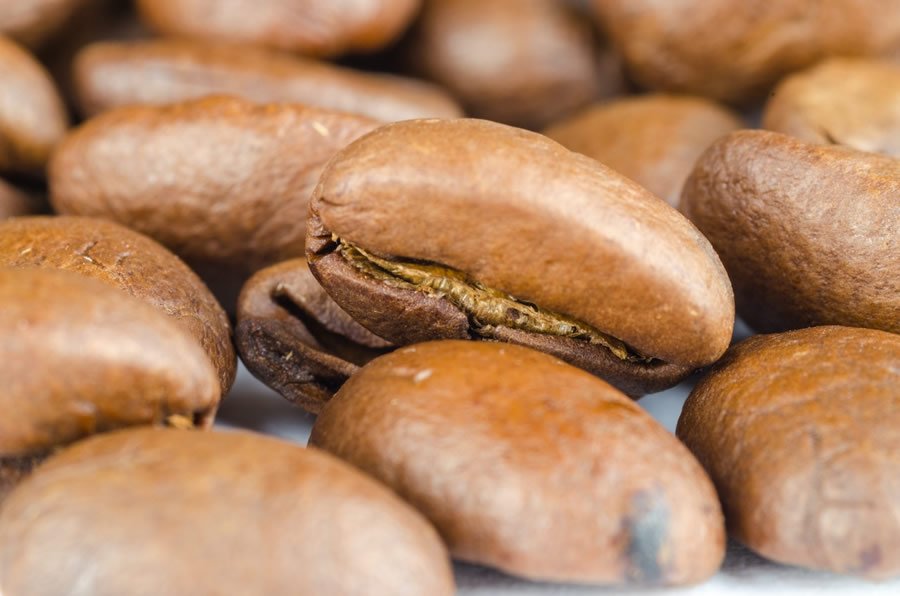
Decaf coffee is coffee that has undergone a process to remove most of its caffeine content. According to regulatory standards, coffee labeled as “decaf” must have at least 97% of its caffeine removed.
However, this doesn’t mean it’s completely caffeine-free. Trace amounts of caffeine can still remain, which might matter to those who are highly sensitive or need to avoid caffeine entirely.
How is Coffee Decaffeinated?
The decaffeination process is fascinating and involves several methods, each with its own pros and cons. Here’s a breakdown of the most common techniques:
| Method | How It Works | Pros | Cons |
|---|---|---|---|
| Water Process | Beans are soaked in water to extract caffeine, which is then filtered out. | Chemical-free, natural, and retains flavor well. | Can be less efficient at removing caffeine. |
| Solvent-Based Process | Organic solvents (ethyl acetate or methylene chloride) are used to extract caffeine. | Highly effective at removing caffeine. | Some people avoid chemicals, though solvents are safe in trace amounts. |
| Carbon Dioxide Process | Pressurized CO2 is applied to beans to extract caffeine. | Preserves flavor and aroma; environmentally friendly. | Expensive and requires specialized equipment. |
Each method aims to remove caffeine while preserving the flavor and aroma of the coffee beans. The choice of method often depends on the desired flavor profile and cost considerations.
>>>Unveiling the Secrets: How to Tell Decaf from Regular Coffee<<<
Does Decaf Coffee Contain Caffeine?
Yes, decaf coffee still contains trace amounts of caffeine. Here’s a comparison of caffeine content in different types of coffee:
| Coffee Type | Caffeine Content (8 oz cup) |
|---|---|
| Regular Coffee | 95 mg |
| Decaf Coffee | 2-5 mg |
| Espresso (1 shot) | 63 mg |
| Decaf Espresso (1 shot) | 0-3 mg |
While the caffeine content in decaf is significantly lower, it’s not zero. For most people, this small amount won’t cause noticeable effects, but it’s worth considering for those who are highly sensitive or need to avoid caffeine entirely.
Who Should Be Cautious with Decaf Coffee?
While decaf coffee is a great option for many, certain individuals should be cautious due to its trace caffeine content:
- Pregnant Individuals: Some experts recommend limiting caffeine intake during pregnancy, and even small amounts in decaf may add up.
- People with Caffeine Sensitivity: Even 2-5 mg of caffeine can cause jitters, anxiety, or sleep disturbances in sensitive individuals.
- Those with Medical Conditions: Conditions like anxiety disorders, heart issues, or caffeine allergies may require complete avoidance of caffeine.
The Benefits of Decaf Coffee
Decaf coffee isn’t just a caffeine-free alternative—it also offers several health and lifestyle benefits:
- Rich in Antioxidants: Decaf coffee contains antioxidants like hydrocinnamic acids and polyphenols, which help fight inflammation and support overall health.
- Gentler on the Stomach: For those who experience acid reflux or stomach discomfort from regular coffee, decaf is often a better option.
- Enjoy Coffee Anytime: Decaf allows you to savor the taste of coffee without worrying about caffeine disrupting your sleep or causing overstimulation.
- Hydration-Friendly: Unlike regular coffee, which can have mild diuretic effects, decaf is less likely to dehydrate you.
Myth-Busting: Common Misconceptions About Decaf Coffee
Let’s clear up some common myths about decaf coffee:
| Myth | Fact |
|---|---|
| Decaf coffee is 100% caffeine-free. | Decaf coffee still contains 2-5 mg of caffeine per cup. |
| Decaf coffee tastes bland. | Modern decaffeination methods preserve flavor and aroma effectively. |
| Decaf coffee is unhealthy. | Decaf coffee offers many of the same health benefits as regular coffee. |
| All decaf methods use chemicals. | The water process is chemical-free, and solvents used are safe in traces. |
FAQs About Decaf Coffee
Here are answers to some frequently asked questions:
Is decaf coffee safe during pregnancy?
While decaf coffee has minimal caffeine, some experts recommend limiting all caffeine during pregnancy. Consult your doctor for personalized advice.
Can decaf coffee help with anxiety?
Yes, decaf coffee is a great option for those who want to avoid caffeine-induced anxiety while still enjoying coffee.
Does decaf coffee dehydrate you?
No, decaf coffee has a much lower diuretic effect compared to regular coffee, making it more hydration-friendly.
Is decaf coffee less acidic?
Decaf coffee is often gentler on the stomach, but its acidity depends on the bean type and roast level.
The Surprising Truth
While decaf coffee isn’t 100% caffeine-free, it’s an excellent low-caffeine alternative for those looking to reduce their caffeine intake. Understanding the decaffeination process and the small amount of caffeine it contains can help you make informed choices that align with your health and lifestyle.
Final Thoughts
Decaf coffee is a fantastic option for coffee lovers who want to enjoy the taste and ritual of coffee without the caffeine buzz. However, if you need to avoid caffeine entirely, it’s important to remember that “decaf” doesn’t mean caffeine-free. Always check labels and consult with your doctor if you have specific health concerns.
Summary Table: Decaf Coffee at a Glance
| Aspect | Details |
|---|---|
| Caffeine Content | 2-5 mg per 8 oz cup (vs. 95 mg in regular coffee). |
| Decaffeination Methods | Water process, solvent-based process, carbon dioxide process. |
| Health Benefits | Rich in antioxidants, gentler on the stomach, hydration-friendly. |
| Who Should Be Cautious? | Pregnant individuals, caffeine-sensitive people, those with medical conditions. |
Notes for Coffee Enthusiasts
- Experiment with different decaf brands and roasts to find your favorite flavor profile.
- If you’re sensitive to caffeine, consider switching to decaf in the afternoon or evening to avoid sleep disturbances.
- Always check the decaffeination method used if you have concerns about chemicals or environmental impact.