
Table of Contents
Introduction
Brewing the perfect cup of Arabica coffee at home is a rewarding ritual for any coffee lover. Arabica beans are celebrated for their smooth, nuanced flavors, making them a favorite among coffee enthusiasts. Here’s a step-by-step guide to help you craft the ideal cup, ensuring you extract the best flavors from this premium bean.
What You’ll Need
Before you start, gather the following essentials:
- Freshly ground Arabica coffee beans (medium grind works best for most brewing methods).
- A coffee grinder (burr grinders are recommended for consistent results).
- Filtered water (avoid tap water with strong tastes or impurities).
- Your brewing equipment (drip coffee maker, French press, pour-over, or AeroPress).
- A kitchen scale (optional, but great for accuracy).
- A thermometer (to monitor water temperature).
Step-by-Step Brewing Guide

1. Choose High-Quality Arabica Beans
Start with freshly roasted Arabica beans from a reputable roaster. Check the roast date and aim to use beans within 2-3 weeks of roasting for optimal flavor.
2. Grind Your Coffee
Grind the beans just before brewing to preserve their aromatic compounds. Match the grind size to your brewing method:
- Drip coffee maker: Medium grind.
- French press: Coarse grind.
- Pour-over: Medium-fine grind.
- AeroPress: Fine grind.
3. Measure Your Coffee and Water
Use the golden ratio: 1-2 tablespoons of coffee per 6 ounces of water. For precision, weigh 1 gram of coffee for every 16 grams of water (a 1:16 ratio).
4. Heat Your Water
Boil filtered water and let it cool slightly to a temperature of 195-205°F (90-96°C). Water that’s too hot can scorch the grounds, while cooler water may under-extract.
5. Brew Using Your Preferred Method
Each brewing method has its own unique charm:
- Drip Coffee Maker: Add the grounds to the filter, pour water into the reservoir, and let the machine do the work.
- French Press: Add grounds to the press, pour hot water, stir, and steep for 4 minutes before plunging.
- Pour-Over: Slowly pour hot water over the grounds in a circular motion, ensuring even saturation.
- AeroPress: Follow the device’s instructions for a rich, concentrated brew.
6. Serve and Enjoy
Pour your freshly brewed Arabica coffee into a pre-warmed mug. Taste it black to appreciate its full flavor profile, or add milk and sweeteners if desired.
Pro Tips for a Perfect Brew
- Store beans properly: Keep them in an airtight container away from light, heat, and moisture.
- Experiment with ratios: Adjust coffee-to-water ratios to suit your taste preferences.
- Clean your equipment: Regularly clean your brewing tools to avoid lingering residues that can alter the flavor.
- Use a gooseneck kettle: For pour-over methods, this allows for precise water flow.
Why Arabica Coffee?
Arabica beans are known for their complex flavors, ranging from fruity and floral to nutty and chocolatey notes. They have less bitterness compared to Robusta beans, making them ideal for those who enjoy smooth, sophisticated coffee.
Arabica vs. Robusta: A Quick Comparison
Here is a quick comparison between Robusta and Arabica Coffee:
| Feature | Arabica | Robusta |
|---|---|---|
| Flavor Profile | Smooth, sweet, with hints of fruit, nuts, and chocolate | Strong, bitter, with earthy and woody notes |
| Caffeine Content | Lower (1.2% on average) | Higher (2.2% on average) |
| Shape of Bean | Oval with a curved crease | Round with a straight crease |
| Growing Altitude | High altitudes (2,000–6,000 ft) | Low altitudes (sea level–2,000 ft) |
| Climate | Cool, stable climates | Tolerant of warmer climates |
| Disease Resistance | More susceptible | More resistant |
| Cost | Higher due to delicate cultivation | Lower due to easier growth |
| Popular Uses | Specialty and gourmet coffee | Instant coffee, espresso blends |
FAQs About Arabica Coffee
How to make Arabica coffee at home?
To make Arabica coffee at home, grind fresh Arabica beans to the appropriate coarseness based on your brewing method (e.g., medium grind for drip coffee). Use a coffee maker, French press, or pour-over method. Heat filtered water to 195–205°F (90–96°C), combine it with the coffee grounds (2 tablespoons per 6 ounces of water), and brew according to your chosen method. Enjoy your coffee fresh for the best flavor!
What are the ingredients of Arabica coffee?
The primary ingredient is 100% Arabica coffee beans. To brew, you’ll also need filtered water. Optional additions include milk, sugar, or flavorings like vanilla or cinnamon, depending on your taste preferences.
What is the ratio of Arabica coffee to water?
A common ratio for brewing Arabica coffee is 2 tablespoons of ground coffee for every 6 ounces (about 180 ml) of water. Adjust the ratio to your preference for a stronger or milder cup.
Is Arabica coffee hard to grow?
Yes, Arabica coffee is relatively hard to grow. It requires specific conditions, such as higher altitudes (2,000–6,000 feet), stable cool temperatures, and rich, well-drained soil. Arabica plants are also more susceptible to pests and diseases, making cultivation more challenging than Robusta coffee.
Conclusion
Mastering the art of brewing Arabica coffee at home takes practice, but it’s well worth the effort. By selecting quality beans, grinding them fresh, and following these steps, you can enjoy a cafe-quality experience from the comfort of your kitchen. So grab your favorite Arabica beans and start brewing today!
Related Recipes
- A 4-Step Guide On How to Make a Homemade Mocha Frappuccino
- A 4-Step Guide On How to Make a Homemade Mocha Frappuccino
- Make A Delicious Homemade Latte With Our Simple Recipe – No Expensive Equipment Required!
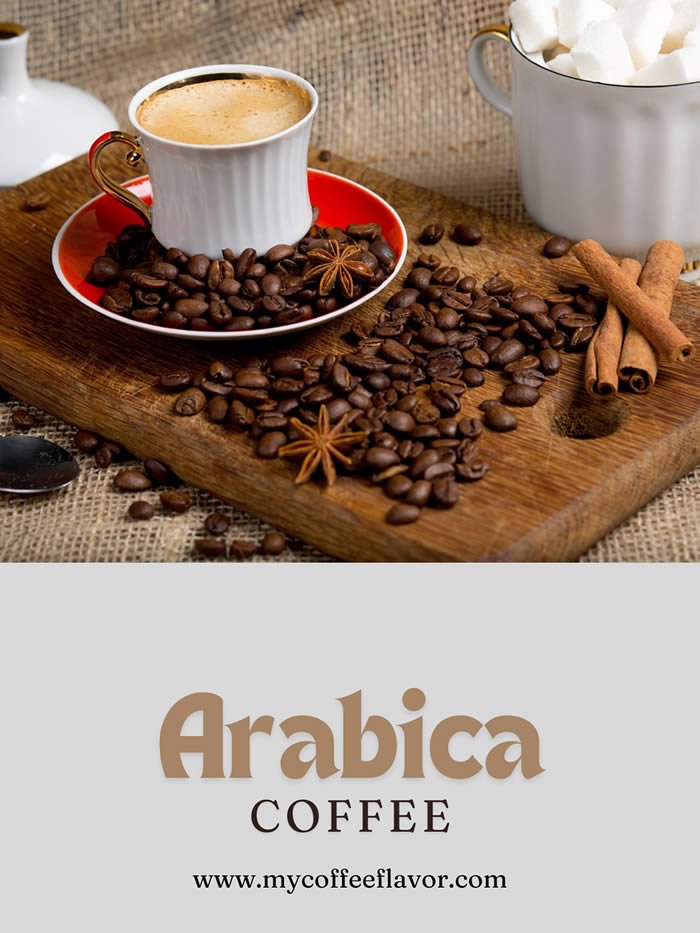
How to Brew the Perfect Cup of Arabica Coffee at Home
Ingredients
Equipment
Method
- Grind the Arabica coffee beans to a medium grind, or as required by your brewing method.
- Heat the filtered water to 195-205 °F and allow it to cool slightly.
- Measure 2 tablespoons of ground coffee for every 6 ounces (0.23 kg) of water.
- Brew using your chosen method (drip coffee maker, French press, pour-over, or AeroPress).
- Serve your freshly brewed coffee in a pre-warmed mug and enjoy!
Notes
- Use freshly roasted Arabica beans and grind them just before brewing.
- Store beans in an airtight container away from light and moisture.