
Let’s embark on a journey that challenges traditional beverage norms as we delve into the intriguing world of concoctions that skillfully mix coffee and tea. While the notion of combining these two beloved beverages may raise eyebrows for some, a closer look reveals a treasure trove of recipes that use tea and coffee as their foundation.
Table of Contents
Introduction
The world of beverages is vast, but have you ever considered combining two of the most beloved ones—coffee and tea? The idea might sound peculiar, but it’s more common than you think. In this article, we explore the curious world of three drinks that seamlessly blend the robustness of coffee with the subtlety of tea.
What Happens When Coffee Meets Tea?
Before delving into the intriguing world of three beverages that uniquely mix coffee and tea, let’s first explore the outcomes of merging these two beloved beverages.
Mixing coffee and tea isn’t just possible; it’s a practice embraced in various parts of the world, notably in Asia and Africa. While there’s no evidence of harmful chemical reactions between the two, the unique taste and energizing kick from the caffeine content should be approached with moderation.
1. Tea and Coffee Combination Flavor
Combining the softer notes of tea with the boldness of coffee can result in a surprisingly delightful flavor. In countries like Malaysia, Singapore, Hong Kong, and Ethiopia, locals have perfected this art, creating unique blends that tantalize the taste buds.
If you’re curious about this flavor fusion, be mindful of your caffeine intake. Excessive consumption may interfere with your sleep patterns.
2. Caffeine Rise
Both tea and coffee pack a caffeine punch, but the levels vary. Tea leaves contain more caffeine than coffee beans before brewing, yet the brewing process and the quantity used in each beverage alter the final caffeine content. Considering the FDA’s recommended daily caffeine intake of 400 mg for healthy adults is crucial if you’re planning to experiment with these blends.
Here’s a table summarizing the caffeine content in various beverages:
| Beverage | Caffeine Content |
|---|---|
| Coffee | 95 mg in an 8-ounce cup (237 ml) |
| Espresso | 58 mg in a one-ounce shot (30 ml) |
| Black Tea | 47 – 90 mg in a 237 ml cup |
| Green Tea | 20 – 45 mg in a 237 ml cup |
| White Tea | 6 – 60 mg in a 237 ml cup |
These values provide a quick reference to the caffeine levels in common coffee and tea beverages, helping individuals manage their caffeine intake based on their preferences and health considerations.
3. Popular Drinks that Mix Coffee and Tea
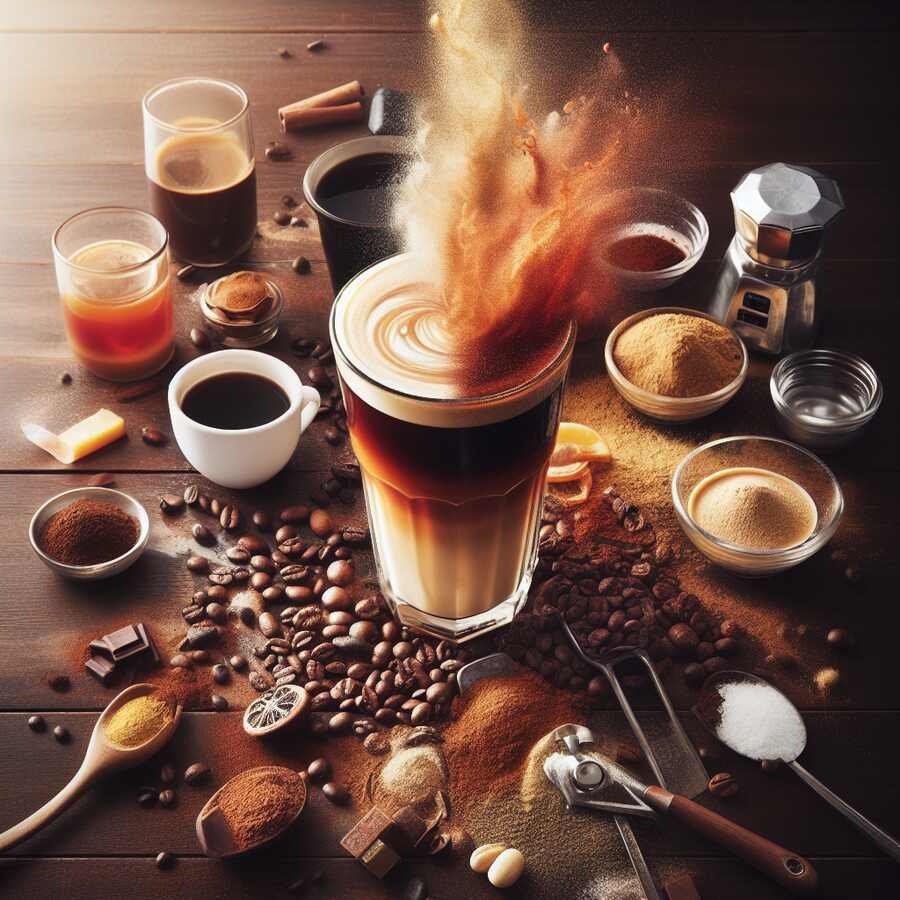
Now, let’s shift our focus to three beverages that seamlessly mix coffee and tea:
Yuan Yang
Originating in Hong Kong during British colonial rule, Yuan Yang combines coffee and Hong Kong-style milk tea in a 3:7 ratio. This concoction, named after mandarin ducks symbolizing love, gained popularity and even has a Yuan Yang Frappuccino at Starbucks in Hong Kong.
How to Make Yuan Yang:
- Boil tea leaves and water, strain.
- Add sugar and evaporated milk.
- Stir, then add brewed coffee.
Kopi Cham
Known as the local favorite in Malaysia and Singapore, Kopi Cham is made by mixing strong black tea, sugar, evaporated milk, and robust coffee. This delightful beverage can be served hot or cold.
How to Make Kopi Cham:
- Combine strong black tea, sugar, and evaporated milk.
- Add strong coffee, hot or cold.
Spreeze
A popular Ethiopian blend, Spreeze combines brewed coffee and tea, offering an energizing and pleasant flavor. It stands out from its Asian counterparts by using brewed coffee rather than espresso.
How to Make Spreeze:
- Brew tea.
- Add a shot of espresso and sugar.
Conclusion
In the world of beverages, experimenting with coffee and tea blends opens up new avenues of taste. Whether these unique combinations will become mainstream remains to be seen, but for now, these drinks offer a delightful departure from the ordinary. Explore the world of Yuan Yang, Kopi Cham, and Spreeze, and savor the harmonious blend of two distinct worlds in a single cup.